

Old Money, New Games
My sixteen-year-old nephew Oli is the perfect combo of old and new money values. He maintains the neighbourhood gardens, then invests the cash into share portfolios he researches himself, most recently the parent company behind gaming franchise Grand Theft Auto, whose sixth instalment is about to drop.
For the uninitiated, GTA is not exactly a masterclass in conservative financial planning. The in-game economy, helpfully linked to your actual credit card, allows players to purchase properties, luxury vehicles, high-end businesses, weapons and more. Savvy virtual investors can buy golf courses and cinemas to generate passive income. Think swapping four Monopoly houses for a hotel or expanding your property portfolio to include Mayfair while being shot at and fighting fires.
To keep your returns ticking over, you can rob convenience stores or armoured trucks for a quick yield or invest in an acid lab for high production value and impressive margins. Warren Buffett has never mentioned this strategy, which feels like an oversight. There's a casino, because of course there is, and ‘random events’ like helping out an investment banker for a reward, which feels simultaneously altruistic and mildly suspicious. (One wonders: if helping a little old lady with her shopping generated the same in-game payout, would the crime rate drop overnight? Asking for a friend.)
At least Oli's buying shares in the game rather than spending his hard-earned cash in it, a distinction that says everything about the boy.
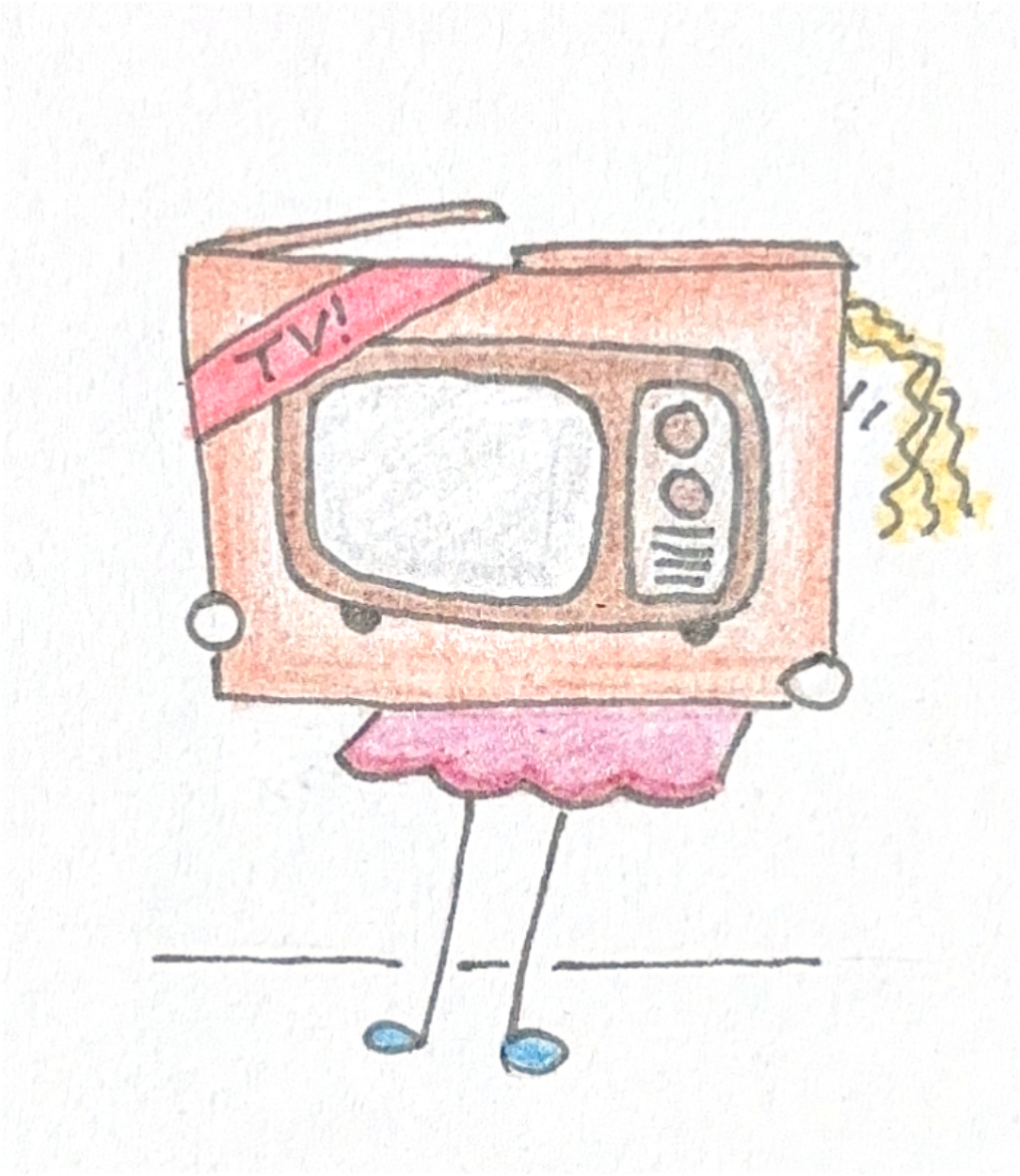
I try to remember what I did at his age. If I really wanted something, I saved for it: Saturday wages from a shoe shop, topped up with Christmas and birthday money. My most treasured purchase was a black-and-white television the approximate size and weight of a prize pumpkin, taking up a significant portion of my bedroom and all of my savings. Channels were changed with a twiddly knob, an imperfect science producing a generous amount of grey fuzz, and its aerial resembled an inverted coat hanger.
Oli listened to this story with the patient, glassy-eyed expression of a child being told by Auntie Liz about how in her day she walked barefoot to school in the snow.
These days, the era of odd jobbing for cash has given way to content creation: a viral post about lawn care will now earn you considerably more than actual lawn care. My trusty pedal bike, kitted out with occy straps and a dynamo light, has been replaced by a tap-and-go Lime hire that appears from nowhere and costs less than a coffee. Ninety-nine-pence vinyl singles (The Police, Duran Duran) have morphed into family access to my Spotify login. After-school snacks of Vegemite on toast are now 2am Uber Eats, ordered from a warm bed, delivered to the door.
And then there's impulse spending. Our generation had the record shop clearance bin and the TV shopping channel. Today's version is 3am Amazon, one thumb-tap away from your bank account, with an algorithm that knows what you want before you do. (Is it just me who finds it extraordinary that online purchasing takes approximately four seconds, while logging into any app containing personal information requires a twelve-step verification process and the patience of a saint?)
But I don't want to sound curmudgeonly. Times change, and mostly for the better. I enjoy a game as much as the next person, even if my weapon of choice is more Cluedo than Grand Theft Auto. Oli is proof that the instinct to save, invest, and think ahead hasn't gone anywhere. It's just found new tools, and considerably better graphics.
The fundamentals, it turns out, are pretty much the same as they ever were. Work hard. Spend wisely. Don't invest in the acid lab.